• Research
  • Consulting
  • Creative
  • Training
  • Blog
  • Contact us
  • Menu Menu

The impact of confirmation bias on decision making

April 25, 2023
conversation around table

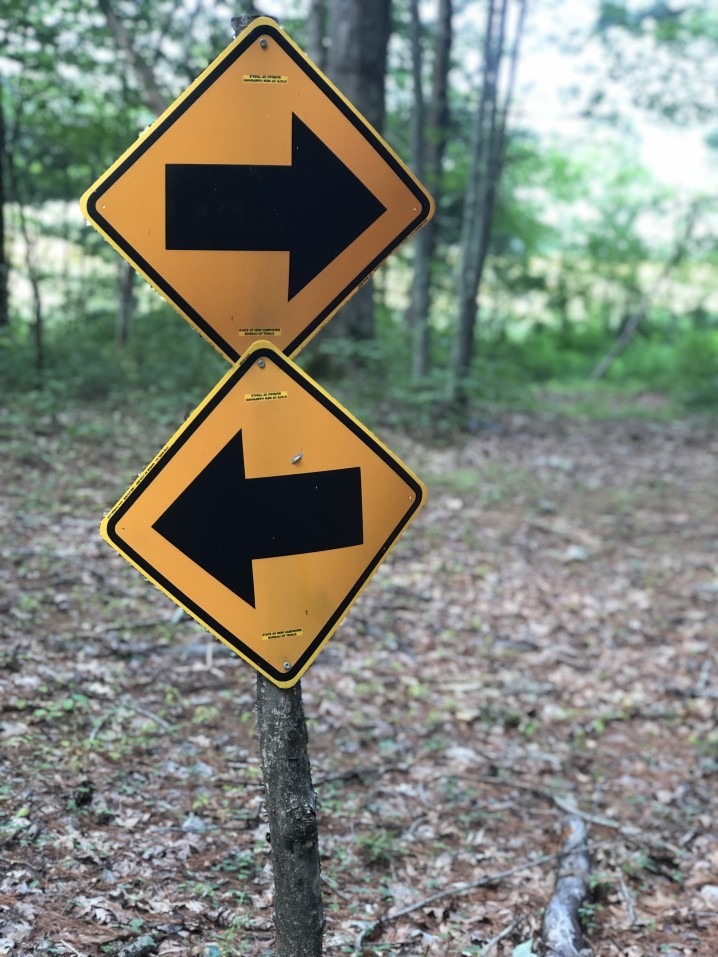
The other day I was watching a YouTube video, which depicted various “mind traps” that affect how we see the world. Mind traps in the world of psychology are called cognitive distortions, aka ways our brain can trick us into a false reality. While the brain is the most intricate and complex organ in our body, it can be lazy. Meaning that it wants to make things easy because it needs to be efficient to function. I won’t go into detail in the hopes of not losing you to science. However, it’s important to note that the more aware you are of these mind traps, the more capable you are to deter them from affecting your thought processes and thus your decisions. A great example of a mind trap is confirmation bias.

Confirmation bias is subconsciously looking for and more readily accepting information that fits into your currently held beliefs. It’s easy to see how this can become a problem. If you are quicker to see and accept information that affirms what you already believe to be true, then you have a big blind spot. For this reason, having someone who can play “devil’s advocate” is incredibly important. That can help you walk through all possible impacts of a decision, all possible reasons for a certain outcome, etc.

There are whole areas in business dedicated to decision making, such as business strategizing and data science. The goal being to make the best, data-driven decisions to set a business up for success. What I’ve found more than anything in my business research thus far is that it’s incredibly important to make decisions based on data rather than feelings or emotions. This is why data science is so important because it is hard to argue with numbers. However, nothing’s perfect and sometimes even data leaves room for interpretation. For example, if you believe a big strength of your company is support and you subsequently conduct market research, you are biased towards believing a big strength is support, rather than keeping an open mind and allowing the research and data show you what the specific strengths are.

Confirmation bias can affect us in other areas as well. AI and algorithms have taken this to a whole new level. Algorithms in social media apps push stories that align with content with which you’re interacting. So, if I like a bunch of posts about animals, I am going to keep seeing more posts on my feed about animals. Sure, animals are harmless, but other content might not be. This is dangerous in a world where “fake news” runs rampant. It exponentially increases confirmation bias because in this case, the algorithms and AI remove the “devil’s advocate” and alternative information sources. It makes it difficult to even seek out and find alternative articles. The goal of this is in no way meant to be political or divisive, but rather cause you to pause next time you’re viewing content and make sure you’re looking for all types of content or “neutral” news sources.

In research, you are taught to actually seek out information that disaffirms your theory. This is good practice to uncover weak points in your decisions and beliefs. I’m curious what you do to prevent confirmation bias in your organization, to look at scenarios from all angles. Comment below or send me an email at kristenh@idebamarketing.com.

Kristen Higgins – Senior Research Analyst

Share
  • Facebook Facebook Share on Facebook
  • X-twitter X-twitter Share on X
  • Linkedin Linkedin Share on LinkedIn
  • Mail Mail Share by Mail
You might also like
woman writing down a schedule Client Service Takes a Hit when Triple Booking Yourself for Meetings
talking on video call Overcoming Nervousness when Interviewing and Presenting
tropical resort Networking – The Real Key to Success
business woman working on futuristic screen Will tech be forced to pay its fair share?
image of SuperBowl logo Finding Flow
What our clients say You Won’t Know If You Don’t Ask

Contact Us

Oregon

6279 SE Genrosa Street
Hillsboro, OR 97123
Tel: 425.638.3797
Email: davids@idebamarketing.com

Recent Posts

  • A Year of Giving Back: Ideba’s 2025 Volunteering Recap
  • A unique perspective on AI
  • Giving Back in Pigeon Forge: Our Annual Business Review with Purpose
  • Can music shape mood and productivity?
  • Ahead of the Curve: Defining an AI Position Before the Roadmap Is Clear

Archives

  • November 2025
  • October 2025
  • September 2025
  • August 2025
  • July 2025
  • June 2025
  • May 2025
  • April 2025
  • March 2025
  • February 2025
  • January 2025
  • December 2024
  • November 2024
  • October 2024
  • September 2024
  • August 2024
  • July 2024
  • June 2024
  • May 2024
  • April 2024
  • March 2024
  • February 2024
  • January 2024
  • December 2023
  • November 2023
  • October 2023
  • September 2023
  • August 2023
  • July 2023
  • June 2023
  • May 2023
  • April 2023
  • March 2023
  • February 2023
  • January 2023
  • December 2022
  • November 2022
  • October 2022
  • September 2022
  • August 2022
  • July 2022
  • June 2022
  • May 2022
  • April 2022
  • March 2022
  • February 2022
  • January 2022
  • December 2021
  • November 2021
  • October 2021
  • September 2021
  • August 2021
  • July 2021
  • June 2021
  • May 2021
  • April 2021
  • March 2021
  • February 2021
  • January 2021
  • December 2020
  • November 2020
  • October 2020
  • September 2020
  • August 2020
  • July 2020
  • June 2020
  • May 2020
  • April 2020
  • March 2020
  • February 2020
  • January 2020
  • December 2019
  • November 2019
  • October 2019
  • September 2019
  • August 2019
  • July 2019
  • June 2019
  • May 2019
  • April 2019
  • March 2019
  • February 2019
  • January 2019
  • December 2018
  • November 2018
  • October 2018
  • September 2018
  • August 2018
  • July 2018
  • June 2018
  • May 2018
  • April 2018
  • March 2018
  • February 2018
  • January 2018
  • December 2017
  • November 2017

Ideba is a consulting, research and creative firm focused on providing measurable benefits to our clients while creating positive change in the communities in which we do business. We do not define our success principally on the bottom line, but on the success we create for our customers.

Contact us SVG Image
  • Home
  • Research
  • Consulting
  • Creative
  • Training
  • Blog
  • Contact us
Read our blog

Your customers don’t just want data. They want direction.

SVG Image
Get the latest

Subscribe to our quarterly newsletter

  • LinkedIn
  • Vimeo

Scroll to top Scroll to top Scroll to top