You are probably tired of hearing about AI. It seems like every headline, every LinkedIn post, every ad seems to connect back to artificial intelligence and how it’s going to change everything. The noise is overwhelming, and it can be hard to know who to pay attention to and what hype to ignore.
But here’s the thing: AI isn’t going anywhere. It will become more ubiquitous. And while I understand the fatigue, tuning out the AI buzz isn’t the answer either.
The good news? The transformation won’t happen overnight. Despite what the breathless headlines suggest, we’re not all going to wake up tomorrow jobless and obsolete. Change is coming, yes, but it’s more like a tide than a tsunami.
I’ve been experiencing this firsthand. I’ve found myself staying up way too late, not doom-scrolling social media, but interacting with AI tools to research answers and help me with writing, like a birthday speech I was having trouble with. Note that I intentionally used the word “interacting”; I did not let any of the tools do all the work for me. They were aids that helped me get to where I needed to go and felt genuinely helpful. In one case I used an AI tool to review a legal contract for my Mom (key information redacted, of course), turning hours of dense legalese into something that made a lot more sense. If I can get a few things done faster so I can make more room for things that matter to me more than say, reviewing a legal contract, I’m all for it.
This is the promise worth paying attention to: technology that creates space for what matters most, rather than consuming all our time.
But here’s where the fear-mongering gets it wrong. Yes, AI will reshape how we work, but it won’t eliminate the need for distinctly human skills. In fact, those skills will become more valuable, not less. More than ever, I believe soft skills are going to be critical. You might be working with fewer people or in flatter organizations, but you’re still going to need to play well with others.
AI can crunch data and generate content, but it can’t navigate office politics, cheer up a stressed colleague, or rally a team around a shared vision. We still need to make sure people are okay, productive, and contributing their ideas. Human judgment and diverse perspectives remain irreplaceable.
The real risk isn’t that AI will take over – it’s that we’ll retreat into our own algorithmic bubbles. As AI becomes more personalized and capable, there’s a temptation to let it handle all our interactions with the outside world. Convenient? Yes. Isolating? Potentially devastating.
So here’s my take: instead of getting caught up in the doom and gloom of the AI headlines, invest that energy in something that will actually serve you – your local support network and community.
These relationships aren’t just nice to have; they’re an insurance policy. As work becomes more distributed and organizational structures flatten, the ability to connect authentically with other humans becomes a competitive advantage professionally – but also key to thriving personally.
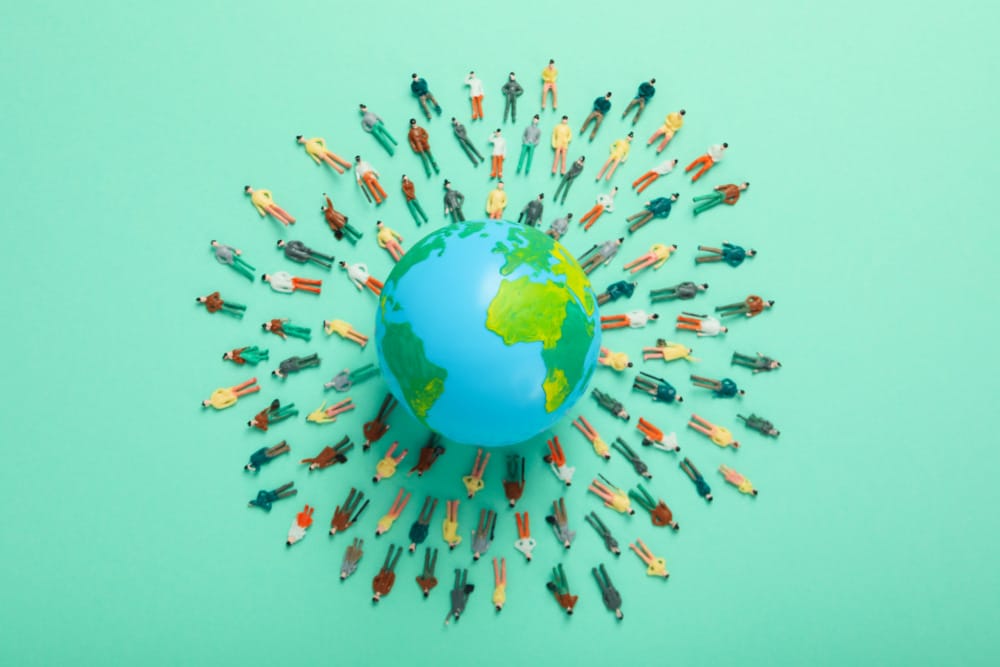
The future needs both: AI to amplify our capabilities and human community to keep us grounded in what makes us human. AI can give us more polished, personalized responses, but it can’t replicate the unexpected insights that come from bumping into a neighbor, the creative sparks that fly when diverse minds collaborate, or the deep satisfaction of helping someone through a difficult time.
Yes, AI content is everywhere, and yes, it’s going to keep coming. But instead of letting the noise overwhelm you or the fear paralyze you, focus on what you can control: building the relationships and communities that will matter most, regardless of what technology brings next.
Because at the end of the day, we’re still going to need each other.
Gabi Barragan – Consulting Manager