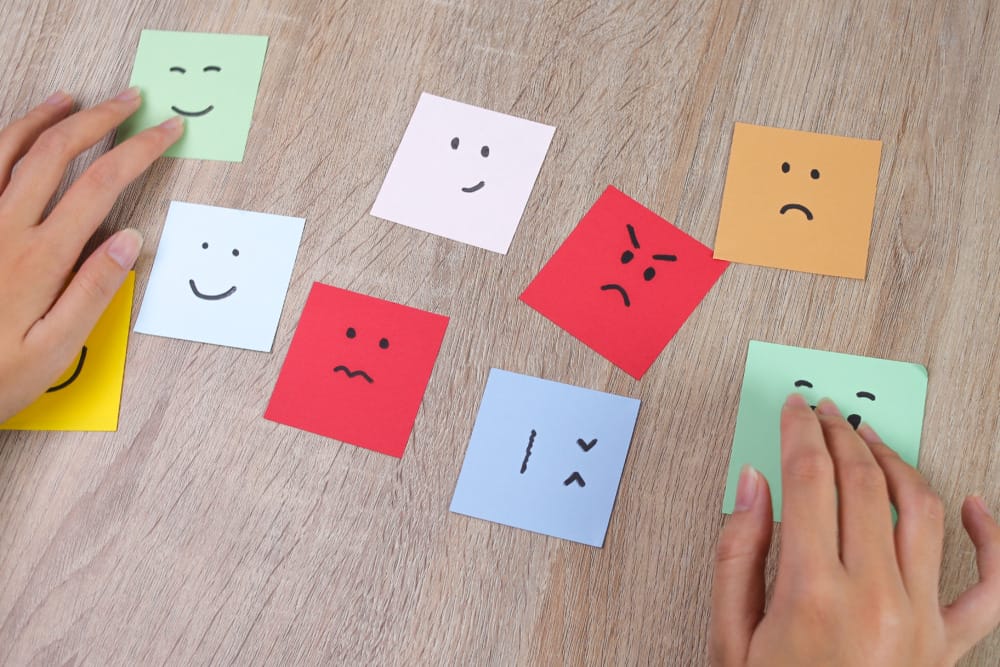
I don’t know if it’s the time of year, but over the last few weeks, I’ve found myself watching people more closely, paying attention to how they behave and interact. Even scrolling through social media, I’ve noticed an uptick in reels showing people yelling at service staff or losing their patience in public spaces.
The holidaze can leave even the most grounded among us feeling rushed and overstimulated. The expectations, the constant to-do lists, it’s hard to ignore how much pressure many of us are under.
Whether it’s at work, home, or at a café or restaurant, how we behave is important. How we carry ourselves and interact with others is something that we need to sometimes pay more attention to. It’s worth asking ourselves: are we reacting, or are we responding?
It’s fair, interactions with different people, whether it’s a co-worker or a family member, can be tough. Difficult conversations can be hard to navigate, and sometimes certain stressors can set you off, taking you from 0 to 100 in seconds. Emotional regulation isn’t automatic; it’s a skill that requires awareness and practice. Sometimes that starts with a simple pause and a few honest questions: How am I showing up right now? Is this the best version of myself? Can I do better?
This distinction between reacting and responding comes up often in my work, conducting qualitative interviews. Not every answer is a response; some are reactions. A reaction is quick and often protective. A response takes a moment and is reflective, sometimes hesitant, and often where the real insight lives.
When I sense a reaction, I slow down and lead with curiosity: “What made you feel that way?”
“Can you tell me more about that moment?”
Those small pauses often shift the conversation, and in a world where AI can generate instant answers, this kind of slow, human listening, rooted in empathy, is becoming a rare and valuable skill.
I try to apply this same mindset outside of work, especially with family (I have two teenagers 😊). Matching someone else’s reaction rarely leads to progress. Responding thoughtfully, on the other hand, can help diffuse tension and keep dialogue open.
I encourage you over the coming holiday season and into 2026 to take some time to be mindful and monitor how you’re interacting and behaving with others. Are you listening? Are you creating space for understanding? Or are you reacting on impulse? Try to be thoughtful and respond in a way that encourages constructive dialogue. Sounds easy, I get it. But I think we could all use a reminder from time to time that we’re all just doing the best we can, and a little patience, grace, and kindness go a long way.
Tamara Clarke – Research Manager