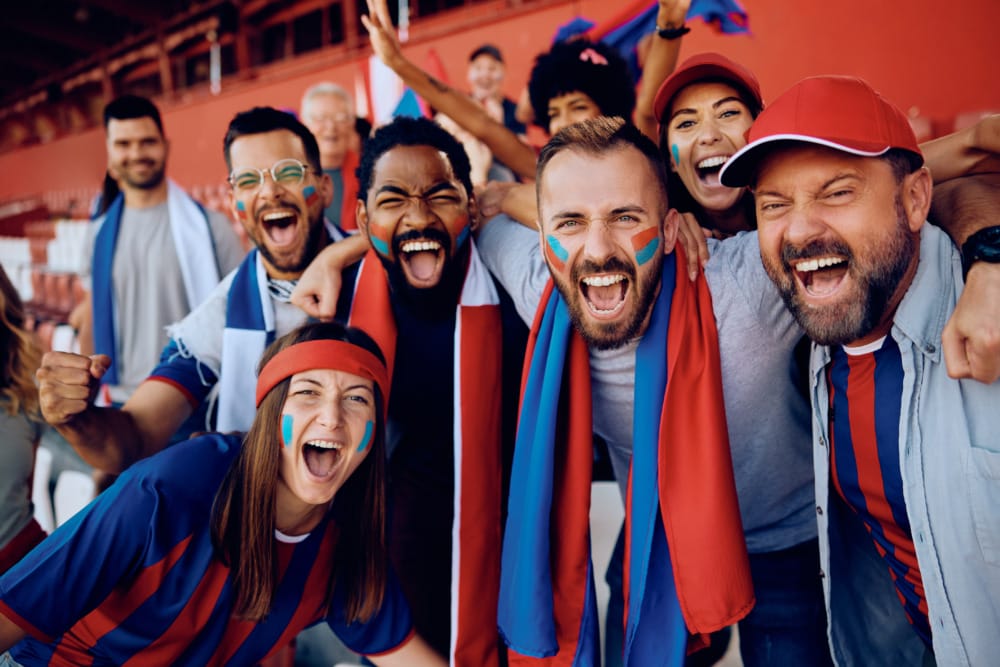
Most brands work hard to earn loyalty. Sports teams rarely have to. Fans show up after losing seasons, bad trades, and years without a championship. They still buy the merch, defend the team, and come back week after week. That level of commitment does not come from points or perks. It comes from identity.
In sports, loyalty is built by standing for something consistent over time. Teams maintain their colors, traditions, and sense of self even when performance dips. Brands that achieve this kind of loyalty do the same. Nike, for example, does not simply sell athletic gear. It sells belief, ambition, and who you can become. When identity leads, price and convenience matter less.
What keeps people coming back is rarely just performance. Fans remember how a game made them feel more than they remember the final score. That emotional connection is why brands like Peloton and SoulCycle invest so heavily in community and experience. The product matters, but the real value is belonging to something that fits into a person’s routine and self-image.
Shared experience strengthens ties
Loyalty also deepens through shared experience. Sports fandom is communal by nature: watch parties, tailgates, online debates. I see this as an opportunity as a University of Oregon alum. Duck fans recognize each other in airports, grocery stores, and bars, even thousands of miles from Autzen Stadium. The brand becomes a shared language, not just a logo or an alma mater.
There’s no shortcut to real loyalty. Sports teams get it because they know people don’t stay for promotions; they stay for identity, emotion, and community. Brands that want that same commitment should stop chasing quick wins and start thinking about how to make customers feel like they’re part of something bigger.
In 2026, I hope to see brands dig deeper into their identities. Because the real winners in the year ahead won’t be the brands that are louder than the rest, they’ll be the brands that truly know who they are.
Kenzie Gallagher – Research Intern